Egyptian King Costume Lineart: Craft Fair Review
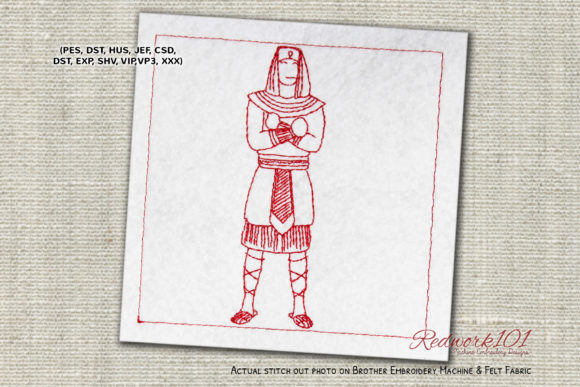
As an embroidery designer who has spent years preparing booth displays for weekend craft fairs, I have learned to evaluate a machine embroidery design long before the needle hits the fabric. When I first opened the Egyptian King Costume Lineart Design, I immediately saw the potential for a standout piece that blends historical intrigue with clean, modern linework. This is not a cutesy cartoon or a rustic farmhouse motif. It carries a bold, elegant, and slightly ceremonial feel that draws the eye. If you are an Etsy seller or a small shop owner looking to add something with presence to your handmade product lineup, this design deserves a close look.
First Impression: Bold, Elegant, and Culturally Distinct
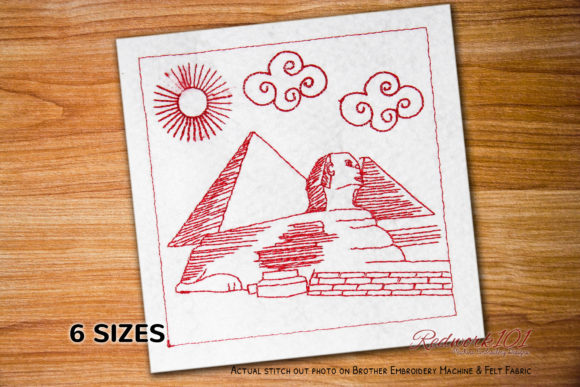
The Egyptian King Costume Lineart Design strikes me as a decorative statement piece. The lineart style gives it a refined, almost premium look that works well for customers who appreciate history, mythology, or distinctive cultural themes. The optional Box Stitch adds a framing element, but what I find most valuable is that the outer box color can be omitted if it does not suit your product vision. This flexibility means you can adapt the design to different fabric colors and project types without feeling locked into a specific palette. The Africa category placement makes sense thematically, and the design carries a sense of royalty and celebration that feels appropriate for costume, festival, or decorative use.
For a craft fair booth, first impressions matter. Customers walk past dozens of tables, and they stop when something feels unique. This design has that quality. It is not overly busy, but it commands attention. The lineart approach keeps it readable from a distance, which is critical when you display embroidered tote bags or aprons on a table or hanging rack.
Best Product Applications for the Egyptian King Costume Lineart
After testing similar designs in my own booth, I can recommend several product types where this embroidery file will shine. The key is matching the design scale to the product surface.
Tote Bags and Market Bags
This is my top recommendation. A medium to large tote bag offers enough space for the Egyptian King Costume Lineart Design to breathe. The lineart style reads beautifully on cotton canvas or heavyweight linen. I would place it centered or slightly offset for a modern look. The optional box stitch can serve as a border that frames the design, giving the bag a finished, intentional feel. Customers looking for a conversation-starting bag will appreciate the distinct theme.
Aprons
An apron embroidered with this design would appeal to home bakers, grill masters, or anyone who enjoys a bit of theatrical flair in the kitchen. The lineart style keeps it from looking too childish, and the Egyptian king motif adds a fun, regal touch. I would test it on a solid-color apron in black, navy, or deep red to let the stitch colors pop.
Tea Towels and Kitchen Linens
Tea towels are a staple in the craft fair booth because they are affordable and easy to produce in batches. The Egyptian King Costume Lineart Design works well as a decorative accent on a towel. However, pay attention to fabric texture. Thick terry or heavily textured towels may obscure fine line details. I recommend using a smooth cotton or linen blend towel for best stitch clarity.
Embroidered Patches
Patches are a low-risk, high-reward product for any embroidery business. This design, when digitized as a patch, could be sold individually or sewn onto caps, jackets, or pouches. The lineart style translates well to the patch format, especially if you use a merrowed edge or a satin stitch border. Customers who collect patches or want to customize their own gear will find this design appealing.
Pillow Covers and Decorative Home Items
For boutique makers who sell home décor, a pillow cover featuring the Egyptian King Costume Lineart Design adds an exotic, artistic element. It works well in a modern or eclectic living space. The design scale should be adjusted to fit the pillow size, and the optional box stitch can act as a frame that ties the composition together.
Caps and Hats
Curved cap surfaces require careful placement and stabilization. The Egyptian King Costume Lineart Design, with its lineart structure, is less prone to distortion than dense fill designs. I would place it on the front center or side panels. Test on a curved surface before committing to bulk production, as small details may shift during stitching.
Small Pouches and Giftable Items
Coin pouches, makeup bags, and tech cases are popular craft fair items. The design works as a focal accent on these smaller products. Keep the scale modest so the lineart remains crisp and readable.
Selling and Production Points for Craft Fair Success
When I prepare for a weekend market, I think about what will sell and what will be practical to produce in volume. The Egyptian King Costume Lineart Design scores well on both fronts.
Easy to Understand at a Glance: The design theme is immediately recognizable. Customers do not need to squint or ask what it is. That instant recognition is a huge advantage in a busy booth environment.
Works as Small Accent or Large Focal Design: Because the design is lineart, it can be scaled up or down without losing its essential character. A small version on a patch or cap looks just as intentional as a large version on a tote bag. This versatility allows you to create a cohesive product line with a single embroidery file.
Photographs Well for Online Listings: If you sell on Etsy or your own website, you need products that photograph beautifully. The clean lines and bold silhouette of this design stand out in product photos. It will look striking on a white background or against a contrasting fabric. I recommend creating a printable mockup of the design on a tote bag or apron to use in your listings. This helps customers visualize the finished product.
Repeatable for Batch Production: The lineart structure means fewer thread changes and less risk of thread breaks compared to dense fill designs. This makes it suitable for batch production runs. You can stitch multiple units in a session without constant adjustments, which is essential for meeting craft fair inventory needs.
Technical Considerations for a Professional Finish
Before you start stitching this design for your booth, there are a few technical points to review. These notes come from my own experience testing similar embroidery files.
Stitch Density and Tiny Details
Lineart designs typically have moderate stitch density, but always check the file on your software. If the design includes very thin lines or tiny details, they may not stitch cleanly on textured or dark fabrics. I recommend testing on scrap fabric first. Use a lightweight stabilizer to support the stitches and prevent puckering. If the design has dense areas, consider using a cutaway stabilizer for added stability.
Thread Colors and Contrast
The description mentions that the outer box color can be different or skipped. I advise choosing thread colors that contrast well with your fabric. For a dark fabric, use metallic or bright thread colors to make the lineart pop. For light fabric, darker or jewel-toned threads work best. The Egyptian king motif benefits from rich colors like gold, deep blue, burgundy, or black. Test several color combinations to find what sells best in your market.
Hoop Size and Fabric Compatibility
Confirm the hoop size required for the design before you begin production. The design should fit comfortably within your hoop without crowding. For curved cap surfaces, use a cap frame and appropriate stabilizer. For thick fabrics like canvas or denim, increase your needle size and check tension. The lineart style is forgiving, but proper preparation prevents visible issues.
Stabilizer Selection
For most products, a tear-away stabilizer works well. For stretchy or delicate fabrics, use a cutaway stabilizer to maintain stitch integrity. Always test the design on a sample piece of your actual product fabric before stitching the final batch.
Create at Least One Real Mockup
I cannot overstate the value of a physical sample. Stitch the design on your chosen product, photograph it, and display it in your booth. Customers respond better to real products than to digital mockups. A finished sample also helps you verify stitch quality, placement, and color accuracy.
Commercial Licensing
Before selling finished products featuring this design, confirm the commercial licensing terms. If you purchased the embroidery file from a site that includes commercial use, you are good to go. If not, obtain the appropriate license. This protects your business and ensures you can legally sell at craft fairs and online.
Visual Appeal, Customer Attention, and Booth Display
The Egyptian King Costume Lineart Design has a strong visual presence. When displayed on a tote bag or apron, it becomes a focal point that draws customers into your booth. I recommend grouping products with this design together on a dedicated shelf or hook. Use contrasting fabric colors to make the embroidery stand out. A black tote with gold thread, or a natural linen apron with deep blue thread, will catch the eye from across the room.
This design also supports brand consistency. If you offer a range of African-inspired or culturally themed products, the Egyptian King Costume Lineart Design fits seamlessly into that collection. It adds variety while maintaining a cohesive aesthetic. Customers who appreciate handmade quality and unique themes will remember your booth.
Buyer engagement is another factor. This design invites questions. People will ask about the inspiration, the meaning, or the technique. Use that as an opportunity to connect with customers, share your process, and build rapport. A story behind the design adds perceived value and can justify a higher price point.
Practical Notes for the Embroidery Designer
As a final checklist, here are the steps I take before introducing any new design to my craft fair inventory:
- Test the design on scrap fabric identical to your product material.
- Check thread contrast against the fabric color. Adjust if needed.
- Review spacing and placement on the product. Use a placement tool or template.
- Confirm hoop size and ensure the design fits without distortion.
- Inspect stitch density. Adjust underlay or pull compensation if necessary.
- Use the right stabilizer for the fabric type.
- Create at least one finished sample to display in your booth.
- Compare fabric colors to find the best contrast for the design.
- Confirm commercial licensing rights before selling finished products.
- Photograph the sample for your Etsy listing or online shop.
The Egyptian King Costume Lineart Design is a strong addition to any embroidery business focused on craft fairs, handmade markets, and online sales. It offers visual impact, production versatility, and customer appeal. With careful preparation and attention to technical details, this design can become a consistent seller in your product lineup. I recommend adding it to your collection and testing it on your best-selling product formats. The results may surprise you.