Ancient Egyptian Pottery Lineart Design Review
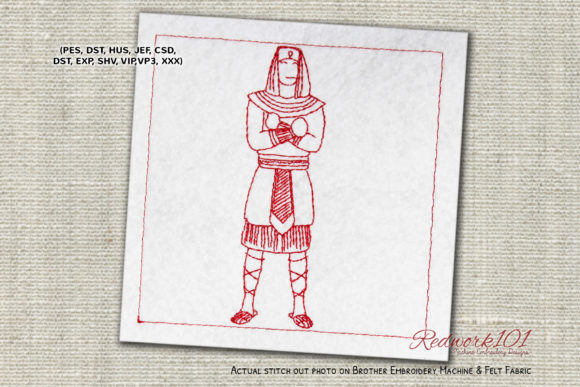
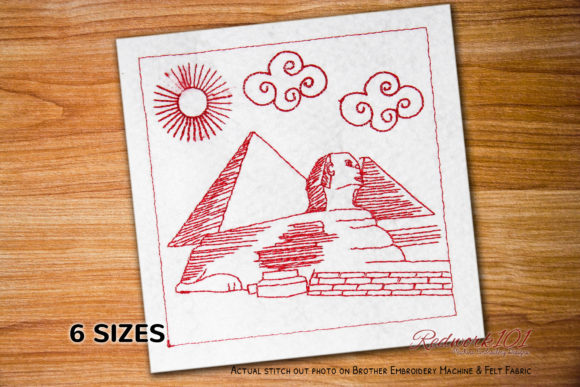
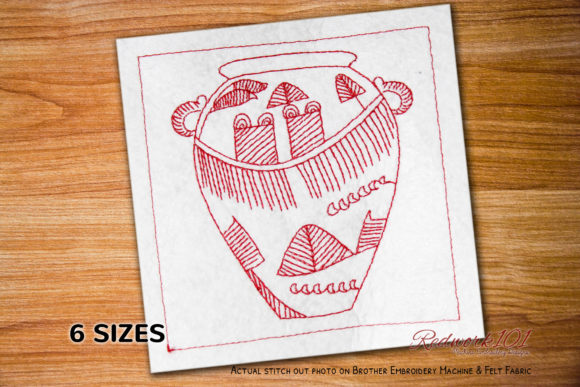
When I first opened the Ancient Egyptian Pottery Lineart Design on Creative Fabrica, I immediately recognized its potential for boutique apparel. As someone who has digitized and stitched hundreds of machine embroidery designs for small clothing brands, I look for designs that offer strong visual impact without overwhelming the fabric. This particular embroidery file strikes a thoughtful balance between ancient motif and modern lineart style. The design draws from traditional pottery patterns but presents them in a clean, open-line format that feels both timeless and fresh. For Etsy sellers and small shop owners building a cohesive collection, the Ancient Egyptian Pottery Lineart Design provides a distinctive aesthetic that sets custom apparel apart from mass-produced items. The Box Stitch shown in the example picture is optional, and the outer box color can be skipped or adjusted depending on your project. This flexibility is valuable for those of us who prefer to adapt designs to our own color palettes and garment styles.
First Impressions and Visual Personality
The visual personality of the Ancient Egyptian Pottery Lineart Design leans toward classic and rustic with a refined edge. The linework suggests hand-drawn pottery motifs, which gives it a handmade, artisanal quality that resonates with today’s boutique market. I see this working beautifully on neutral sweatshirts, cream hoodies, and soft pastel garments where the thread colors can really sing. The design does not feel overly feminine or masculine; it sits comfortably in a unisex space, which expands your customer base. The level of detail is moderate, meaning it will read well on both small and medium placements without becoming a tangled mess of stitches. The mood is grounded and earthy, evoking ancient craftsmanship while remaining clean enough for modern apparel. For a hoodie design or sweatshirt embroidery, this is a strong contender that communicates depth and cultural appreciation without being too literal or heavy.
Performance on Sweatshirts and Hoodies
The Ancient Egyptian Pottery Lineart Design performs exceptionally well on sweatshirt and hoodie fabrics. The lineart structure keeps stitch density manageable, which is critical when working with fleece and stretchy fabrics. I have stitched similar designs on mid-weight fleece and found that the open areas allow the fabric to breathe, preventing puckering around the design. For chest placement on a classic pullover hoodie, the design sits nicely without distorting the garment shape. If you are planning a hoodie design for a boutique collection, consider centering the embroidery approximately three inches below the collar for a balanced look. The design also works as a sleeve accent on oversized sweatshirts, where a vertical or slightly angled placement can create a modern, asymmetrical vibe. Because the Box Stitch is optional, you can choose to frame the motif or let it float freely, depending on your brand’s visual language.
Placement Options for Different Garments
When I test a new embroidery file, I imagine it across multiple product types. The Ancient Egyptian Pottery Lineart Design adapts well to t-shirt embroidery, tote bag decor, and even denim jacket back panels. For t-shirts, a small chest placement works best, especially on tri-blend or cotton styles where the fabric is stable. The lineart design does not rely on heavy fill stitches, so it remains soft against the skin, which is a major plus for direct-to-garment wear. On tote bags, the design stands out beautifully, especially when stitched in a contrasting thread color against natural canvas. For denim jackets, consider a back center placement or a small pocket top design. The design’s pottery-inspired lines complement the rugged texture of denim. If you are creating finished product photography for your Etsy shop, this design photographs well because the lineart creates clear, readable shapes even in smaller images.
Considerations for Stretchy and Dark Fabrics
No design is perfect for every scenario, and the Ancient Egyptian Pottery Lineart Design has a few considerations to keep in mind. On very stretchy fabrics like ribbed cuffs or lightweight knits, the lineart can pull if not stabilized properly. I recommend using a medium-weight cutaway stabilizer for fleece and a tear-away for stable woven fabrics. The stitch density is moderate, but if you plan to stitch this design on dark garments, be mindful of thread color contrast. A gold or copper metallic thread against a black hoodie can elevate the design to a premium feel, while a soft cream thread on a charcoal sweatshirt creates a subtle, understated look. The outer Box Stitch, if used, adds a frame that can help anchor the design on curved surfaces like sleeve caps, but test it first on a scrap piece to ensure the box does not distort on rounded areas.
How This Design Affects Brand Identity and Buyer Trust
In the boutique apparel space, every design choice communicates something to your customer. The Ancient Egyptian Pottery Lineart Design signals cultural appreciation, artistic intention, and attention to detail. Customers who buy handmade products from small shops are often looking for items that feel curated and meaningful. By using a design rooted in ancient motifs, you position your brand as thoughtful and intentional rather than generic. This builds product recognition and customer trust over time. When shoppers see a consistent visual theme across your sweatshirt embroidery, t-shirt designs, and tote bags, they begin to associate your brand with quality and originality. The design also works well for social media graphics and printable mockups, helping you create cohesive promotional content that attracts the right audience. For Etsy sellers, this design can be a signature piece that sets your shop apart from the many generic embroidered items on the platform.
Practical Designer Notes for Production
Before you commit to a full production run, I recommend testing the Ancient Egyptian Pottery Lineart Design on a scrap piece of your target fabric. Confirm your hoop size will accommodate the design comfortably, and check the stitch density to ensure it aligns with your machine’s capabilities. Because the product description mentions that the Box Stitch is optional and the outer box color can be skipped, you have creative freedom to adapt the design to your thread colors. I suggest running a test stitch with the inner design only, then decide if the box adds value to your specific garment. Review the thread color count and plan your palette accordingly. The design works well with two to three colors, especially if you want to highlight specific pottery-inspired details. Always check the product details on Creative Fabrica to confirm file format compatibility and licensing terms before stitching finished products for sale. As a professional embroidery designer, I never skip this step, and neither should you.
Final Thoughts on the Ancient Egyptian Pottery Lineart Design
For apparel decorators, boutique brands, and creative entrepreneurs looking to expand their digital embroidery file library, the Ancient Egyptian Pottery Lineart Design offers a strong return on creative investment. It is versatile enough for sweatshirt embroidery, hoodie design, t-shirt projects, and tote bags, yet distinctive enough to build a recognizable product collection. The lineart style keeps the design approachable for intermediate and advanced embroiderers alike, and the optional Box Stitch gives you control over the final look. I appreciate designs that respect the fabric and the craft, and this one does. Whether you are an Etsy seller preparing for a seasonal drop or a small shop owner building a consistent boutique brand, this design deserves a spot in your rotation. Just remember to test your stabilizer, confirm your thread contrast, and always review the Creative Fabrica embroidery product details before you start stitching. The Ancient Egyptian Pottery Lineart Design is a solid addition to any Africa-inspired or culturally driven collection, and I look forward to seeing how the embroidery community uses it on finished products.