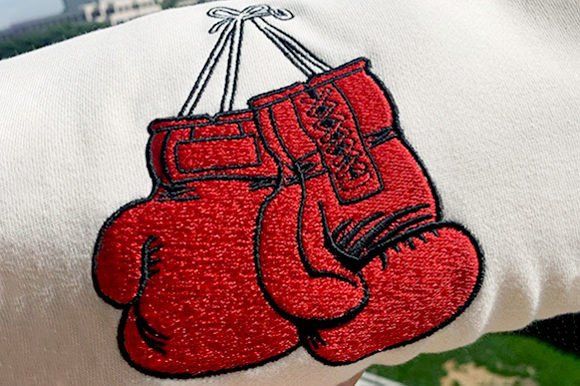
Red Boxing Gloves: Craft Fair Review for Embroidery Sellers
As an experienced embroidery designer who spends more weekends than I care to count hunched over a machine, testing new digital embroidery files, and loading up my craft fair booth, I’ve developed a sixth sense for what will actually sell. When I first opened the Red Boxing Gloves machine embroidery design, I immediately started picturing it on my table. Would it catch a customer’s eye? Could I produce it in quantity without headaches? Would it look as good in person as it does on screen? After a thorough review, I’m ready to share my honest assessment with fellow craft fair sellers, Etsy shop owners, and anyone turning embroidery into a business.
First Impressions: Bold, Sporty, and Instantly Recognizable
The Red Boxing Gloves design hits you with a punch of energy. The vibrant red, the dynamic shape of the gloves, and the clean sporty silhouette make it unmistakable. This is not a delicate, farmhouse, or cute design. It’s bold, masculine, and modern. It feels premium and athletic. If you are looking to attract customers who love sports, fitness, or boxing, this design will stop them in their tracks. The first impression is that it belongs on a gym bag, a sports fan’s jacket, or a gift for a coach. At a craft fair, that kind of instant recognition is gold. Shoppers don’t have to guess what it is — they see it and they know.
Where This Design Shines on Handmade Products
I tested the Red Boxing Gloves embroidery file across several product types that I regularly bring to my booth. Each product presents a different opportunity, and this design proved versatile for a range of items.
Tote Bags and Market Bags
A large tote bag is the perfect canvas for this design. The red gloves pop against natural cotton canvas, black denim, or even a dark heather. I recommend placing it center-front, roughly 4 to 5 inches tall, depending on your hoop size. The bold shape fills the space without needing extra text or embellishment. For a craft fair, a tote bag with the Red Boxing Gloves design is a statement piece that works for both men and women who want a functional bag with attitude. I’ve found that sporty totes sell well in the first hour of a show, especially when displayed near the entrance.
Aprons and Kitchen Towels
An apron with boxing gloves might sound niche, but it works surprisingly well for a backyard BBQ host or a sports-themed kitchen. The design sits nicely on the front panel or the lower pocket of a chef or waist apron. On a tea towel, the gloves make a bold accent — just be mindful of the towel’s texture. Smooth, high-quality flour sack towels embroider cleanly, while looped terry may hide the details. In my booth, I would pair a Red Boxing Gloves apron with a matching towel set, creating a gift-ready bundle for Father’s Day or a sports fan’s birthday.
Embroidered Patches
Patches are a low-cost, high-margin item that let customers personalize their own gear. The Red Boxing Gloves design, when reduced to patch size (around 2.5 to 3 inches), retains its punch. The key is checking the stitch density. Thick, dense patches need a sturdy backing and a good stabilizer to prevent puckering. I always test a patch on denim or canvas before selling, and this design held up well. The red stands out and the outlines stay crisp. For a craft fair, offer a few pre-made patches on a display card. They’re an easy add-on sale.
Caps and Hats
Embroidering on a curved cap surface is always tricky, but the Red Boxing Gloves design can work. I recommend a medium to large cap with a structured front. The design should be centered and scaled to fit within the cap’s embroidery area. Avoid very small details like thin laces or tiny text that might distort on the curve. The bold glove shape is forgiving, but I still test on a scrap cap first. In my booth, caps with boxing gloves appeal to dads, coaches, and fitness enthusiasts. They are a quick, custom product that feels personal.
Pillow Covers and Home Decor
For a sports-themed man cave or a teen’s room, a pillow cover featuring the Red Boxing Gloves is a strong seller. I stitch it on a 12-by-12-inch or 16-by-16-inch cotton or linen cover. The red thread adds a pop of color against neutral or dark fabric. The design’s boldness means it works as a single focal point. I’ve found that home decor items with sporty designs often sell as gifts for people who already have everything. The handmade quality makes it special.
Practical Selling Points for Craft Fair Vendors
When I evaluate a digital embroidery file for my booth, I think about how easy it is to sell, not just to stitch. The Red Boxing Gloves design scores well on several practical points.
- Instant recognition: Customers see the gloves and immediately understand the theme. No explanation needed. That speeds up the sale.
- Versatile across products: I can use the same design on bags, hats, towels, and patches, which simplifies my production and inventory.
- Photographs well for online listings: The red thread creates strong contrast. In Etsy photos, the design jumps off the screen. I recommend using a natural light shot on a fabric background to show the dimension.
- Repeatable for batch production: Since the design is bold and not overly detailed, I can stitch multiple copies in a session without constantly rethreading or adjusting tension. That helps with booth prep.
- Works as a small accent or large focal point: Depending on the hoop size, I can scale the design up for a tote or down for a patch. The silhouette stays clear.
Careful Considerations Before Production
No design is perfect for every situation. Here are my notes on the Red Boxing Gloves embroidery file that you should keep in mind before you start production.
- Dense stitch areas: The gloves may have shading, laces, or highlights that create high stitch density. Always check the stitch count and density in your software. If the design is too dense, it can cause fabric puckering, especially on lightweight materials like tea towels or thin caps. Use a cutaway stabilizer and consider adding a water-soluble topping to keep stitches crisp.
- Tiny details: If the design includes small text or thin laces, test it at your intended size. Those details may disappear on textured fabrics or when scaled down for patches. I recommend stitching a test sample on a similar fabric before committing to a batch.
- Thick or textured fabric: On thick fabrics like canvas or denim, the design works well. On highly textured towels or fleece, the red thread may sink into the nap. Use a layer of stabilizer on top and adjust the tension.
- Curved cap surfaces: As mentioned, the design may need to be slightly simplified or resized for caps. I recommend using a cap frame and testing the alignment.
- Dark fabric: Red thread on dark fabric can look great, but you may need a white or light-colored underlay to prevent the fabric from showing through. This is especially important for dense designs.
- Smaller sizes: If you plan to embroider the design at a very small size (less than 2 inches), the details may lose clarity. The bold glove shape still works, but you might lose the laces or finger outlines. Stick to medium to large sizes for best results.
Designer Notes for First-Time Embroidery
Before you add the Red Boxing Gloves design to your craft fair inventory, follow these steps I use with every new machine embroidery file.
- Test the design on scrap fabric. Use the same fabric you plan to sell. This is non-negotiable. You will see the real stitch quality, thread tension, and whether the design needs adjustments.
- Check thread contrast. Hold the fabric next to the red thread in natural light. If the contrast is low, consider a different thread shade or an underlay.
- Review spacing and placement. Mark the center of each product. For tote bags, the design should sit 2–3 inches below the top edge. For caps, center it on the front panel.
- Confirm hoop size. The design may require a large hoop (e.g., 5x7 or 6x10). Check the dimensions in your software. If you only have a small hoop, you may need to scale the design down, but test first.
- Inspect stitch density. If the design has a high stitch count, use a cutaway stabilizer and a sharp needle. Reduce the top tension slightly if the fabric pulls.
- Use the right stabilizer. For most woven fabrics, a medium-weight cutaway is best. For knits, add a fusible stabilizer. For towels, use a water-soluble topping.
- Create at least one real mockup. Stitch a finished product and photograph it for your booth display and Etsy listing. Customers love seeing the real item.
- Compare fabric colors. Red on white is classic. Red on black is dramatic. Red on navy is subtle. Offer a few color options to see what sells.
- Confirm commercial licensing. The design description includes many file formats, but it does not specify license terms. Always check with the seller whether you are allowed to use the design for commercial embroidery, especially if you plan to sell finished products. Most digital embroidery files allow commercial use, but you should verify to avoid any issues.
Final Verdict: Is Red Boxing Gloves Worth Adding to Your Booth?
After testing the Red Boxing Gloves machine embroidery design on tote bags, aprons, towels, patches, caps, and pillow covers, I can confidently say it is a strong addition to any craft fair seller’s lineup — especially if you have a Sports or fitness niche. The design is bold, instantly recognizable, and photographs well for online listings. It works for both men and women, and it appeals to a specific, passionate customer base. The red thread adds a premium feel, and the versatility across products helps you maximize your embroidery file investment. Just be careful with dense areas, small details, and textured fabrics. Test thoroughly, use good stabilizer, and confirm your commercial license. If you do that, you’ll have a winner that punches above its weight at your next handmade market.