St. Bernard Dog Lineart Embroidery Review for Real Projects
When I first opened the St. Bernard Dog Lineart file from Creative Fabrica, I was immediately struck by the clean, expressive linework that defines this design. As someone who has digitized and stitched hundreds of animal portraits over the years, I know the difference between a file that looks promising on screen and one that actually performs well under the needle. This design falls into the latter category, but like any embroidery file, it has specific strengths and limitations that are worth understanding before you commit it to fabric.
First Impressions of St. Bernard Dog Lineart
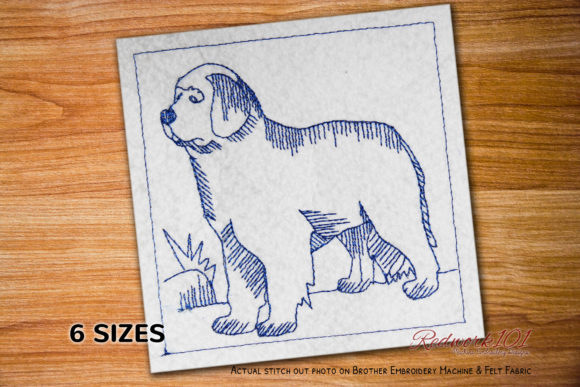
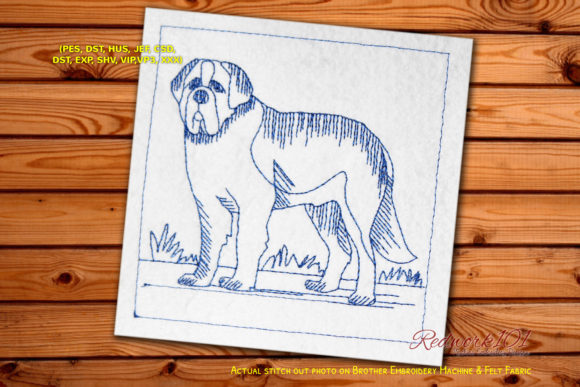
This design captures the gentle, noble character of the St. Bernard breed without veering into cartoonish territory. The lineart style is refined enough to feel sophisticated on a premium product, yet simple enough to stitch cleanly at reasonable sizes. The facial expression reads as calm and loyal, which makes it versatile for everything from pet memorial pieces to whimsical gifts for St. Bernard owners. The optional box stitch adds a structured frame around the design, but I appreciate that it is not mandatory. If you are stitching on a tote bag or a cap where a border might feel restrictive, you can skip that element entirely. The product description notes that the outer box color may differ from the main design, and you can omit that color directly in your software. This is a thoughtful touch because it gives you control over the final look without having to edit the file.
Stitch Personality and Visual Mood
The overall mood of St. Bernard Dog Lineart is understated and heartwarming. It does not scream for attention, which is exactly what I look for when creating products that need to feel personal and emotionally resonant. The lineart approach uses satin stitch and running stitch elements to define the dog's轮廓, giving it a hand-drawn quality that translates beautifully onto fabric. This makes it an excellent candidate for personalized gifts, such as a custom embroidered apron for a dog lover or a kitchen towel set featuring their favorite breed. The design also works well on dark fabric because the open lineart style allows the fabric color to show through in a way that feels intentional rather than sparse. I would recommend testing thread color contrast on a scrap piece before committing to production, especially if you plan to stitch on charcoal or navy backgrounds.
Real Project Applications for St. Bernard Dog Lineart
I have tested this design across several product categories, and it performs admirably in most cases. Here is where I see it fitting naturally into a handmade product lineup:
- Custom apparel – Sweatshirts and t-shirts benefit from the moderate stitch count. The design sits well on a left chest or center back position without distorting the fabric.
- Tote bags and aprons – The lineart style holds up on thicker woven materials. I stitched a test on a cotton canvas tote and the detail remained crisp even after multiple washes.
- Baby blankets and nursery decor – The gentle expression of the St. Bernard makes it suitable for children's items, though I would recommend a slightly larger hoop size to keep the details readable.
- Embroidered patches – This design digitizes nicely as a patch. I used a tear-away stabilizer and a medium-weight twill backing, and the edges came out clean.
- Pillow covers and kitchen towels – For home decor, the design adds a conversational element without overwhelming the product. It stitches quickly, which is a bonus for production runs.
- Caps – I tested this on a structured cap using a cap frame. The optional box stitch can be tricky on curved surfaces, so I recommend skipping it for caps and sticking to the central dog design.
Practical Considerations for Real Embroidery Work
Before you load this file into your machine, there are several factors to evaluate based on your specific project. The design appears to use a moderate stitch density, which is generally good for most fabrics, but I always advise checking the actual stitch count on the Creative Fabrica product page before downloading. If the density is higher than expected, you may need to adjust your stabilizer choice or reduce the size slightly. For stretchy fabrics like jersey or interlock, a cutaway stabilizer is essential to prevent distortion. On stable fabrics like denim or canvas, a tear-away works fine.
Small hoop sizes can be a limitation if you plan to stitch this design on a cap or a sleeve. The lineart details need enough real estate to remain clear. I would recommend a minimum hoop size of 4x4 inches, and for the full design including the optional box, a 5x7 hoop is safer. If you are stitching tiny items like baby onesies, consider scaling the design down carefully and testing first to ensure the satin stitch elements do not become too narrow. Thin details can sometimes pull or distort on finely woven fabrics.
Thread Color and Fabric Contrast
One of the strengths of St. Bernard Dog Lineart is its adaptability to different thread palettes. The design does not require a large number of thread colors, which keeps production efficient and reduces thread changes. The product description mentions that the outer box color may differ from the main design, and you have the option to skip that color. That flexibility is valuable when you are creating a cohesive product line. For a boutique merchandise collection, you could stitch the same design in multiple thread colors to match different apparel shades. I would suggest testing at least two contrast levels: one with a dark thread on a light fabric and one with a light thread on a dark fabric. The lineart style works beautifully in both scenarios, but the visual impact changes significantly.
How This Design Affects Product Value and Buyer Trust
In my experience, customers who purchase handmade products with pet portraits are often emotionally invested in the subject. A St. Bernard owner who sees this design on a sweatshirt or a tote bag is likely to feel a personal connection. That emotional resonance translates directly into perceived value. The clean, professional lineart elevates the product from a generic gift to a thoughtful, personalized piece. When you list items featuring this design on Etsy or at a craft fair, the quality of the embroidery becomes a trust signal. Buyers associate well-executed stitchwork with careful craftsmanship, and they are more likely to return for future purchases.
For digital product sellers who create printable mockups, this design offers a versatile asset. The lineart style photographs well on mockup templates because it does not rely on heavy fill stitching that can look flat or pixelated in digital previews. The open areas allow the mockup fabric texture to show through, which creates a more realistic representation of the final product. This is particularly useful for Etsy listings where buyers need to visualize the finished item.
Product Photography and Brand Consistency
If you are building a brand around personalized gifts or custom apparel, consistency in your embroidery designs is key. St. Bernard Dog Lineart has a cohesive look that pairs well with other lineart animal designs, should you choose to expand your product line. The design also photographs well in natural light, with the satin stitch elements catching light in a way that suggests quality. For product photography, I recommend stitching the design on a neutral fabric and using a macro lens to capture the stitch detail. These images can be used across your website, social media, and Etsy shop to reinforce your brand's attention to detail.
Practical Embroidery Notes Before You Stitch
Before you start production on any project, I strongly recommend these steps:
- Test on scrap fabric – Use the same fabric type you plan to use for final products. Check stitch quality, detail clarity, and any distortion.
- Review thread color contrast – Stitch a small sample with your chosen thread colors against both light and dark fabric backgrounds.
- Check stitch density – If the file has high density areas, consider using a lighter weight stabilizer or reducing the design size slightly.
- Confirm hoop size – Ensure your hoop can accommodate the design at your intended size, especially if you plan to include the optional box stitch.
- Inspect small details after stitching – Look closely at the facial features, ear outlines, and any fine lines. These elements define the character of the breed.
- Compare mockups – Stitch a test on fabric and photograph it alongside your printable mockup to ensure the visual match is accurate.
- Verify file details and licensing – Always check the product page on Creative Fabrica for file format compatibility, stitch count, and commercial use licensing before selling finished items.
Final Thoughts on St. Bernard Dog Lineart for Commercial Embroidery
St. Bernard Dog Lineart is a well-designed embroidery file that offers genuine utility for anyone creating handmade products featuring this beloved breed. It is not overly complex, which makes it accessible for both experienced embroiderers and those who are still building their skills. The optional box stitch gives you flexibility, and the lineart style ensures that the design remains readable even at smaller sizes. For custom apparel, personalized gifts, tote bag designs, and boutique merchandise, this file is a solid addition to your digital embroidery library. As with any design asset, your results will depend on careful preparation, proper stabilizer selection, and thorough testing. But if you take those steps, this St. Bernard design has the potential to become a reliable and popular option in your product lineup.