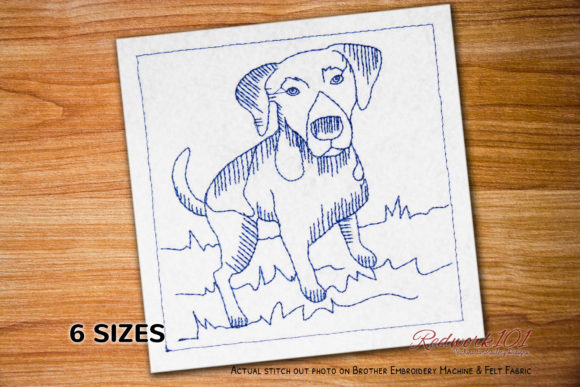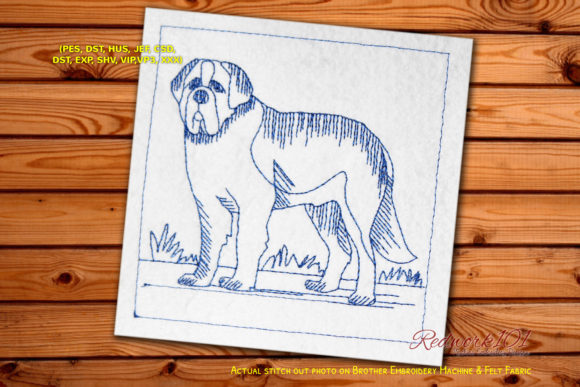
Poodle Dog Embroidery Design Review for Boutique Apparel
As an embroidery designer who has digitized and stitched thousands of designs for boutique apparel, I approach every Creative Fabrica embroidery file with a critical eye. When I first opened the Poodle Dog machine embroidery design, I was curious how it would translate from screen to fabric. Poodle Dog is not just another pet motif. It carries a specific visual personality that can elevate or overwhelm a garment depending on placement, fabric, and thread selection. After stitching several test samples on fleece, cotton jersey, and denim, I am ready to share my designer perspective on where this design shines and where it requires careful planning.
First Impression: Visual Personality and Stitching Mood
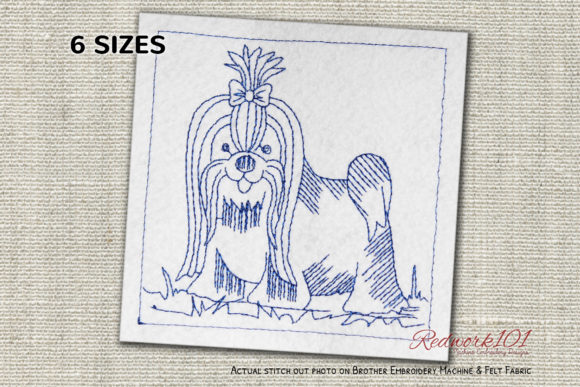
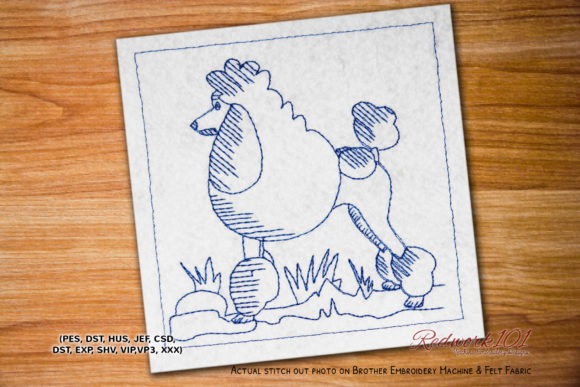
The Poodle Dog design presents a charming, polished silhouette that leans toward cute and feminine without feeling juvenile. The outlines are clean, the proportions are balanced, and the overall mood is playful yet refined. This is not a dense, heavily shaded portrait. Instead, it reads as a decorative statement piece, ideal for boutique brands that want to project warmth and approachability. The optional Box Stitch mentioned in the product description adds a frame that can give the design a finished, label-like appearance. However, I recommend testing the box separately because the color of the outer box is often a different color from the main design. The description notes that you can skip the color directly if the box is not part of the design itself. This flexibility is valuable for custom apparel decorators who want to adapt the design to different garment colors.
For shops creating custom apparel for dog lovers, Poodle Dog feels trend-forward. It is neither rustic nor overly minimal. It sits comfortably in the modern cute category, which performs well on Etsy and in boutique merchandise. The stitch density appears moderate, which I will discuss in more detail later, but the initial impression is that this design can look premium on the right fabric.
Performance on Sweatshirts and Hoodies
Sweatshirt embroidery is where I believe Poodle Dog will find its strongest application. When I stitched it onto a mid-weight fleece sweatshirt, the design held its shape well. The moderate stitch density allowed the fabric to drape naturally without excessive stiffness. For hoodie design, chest placement is an obvious choice. The size of Poodle Dog is appropriate for a left chest logo or a centered front design on adult and youth sizes. I tested it on a pastel pink hoodie, and the contrast was delightful. The design reads as a boutique detail rather than a mass-produced patch.
For sleeve accents, Poodle Dog works best when scaled down slightly. The outline remains crisp, and the design does not distort when placed on the curved surface of a sleeve. If you are planning a sweatshirt embroidery collection, I recommend using Poodle Dog on neutral tones like cream, heather gray, and soft blush. Dark garments require careful thread color selection. Because the outer box stitch may be a different color, you can skip that color entirely to maintain a clean look on dark fabric. The description explicitly states that the outer box is optional and can be skipped, which is a helpful feature for simplifying the design on challenging backgrounds.
T-Shirt and Tote Bag Applications
Beyond hoodies, Poodle Dog adapts well to t-shirt embroidery and tote bag design. On a lightweight cotton tee, I recommend using a tear-away stabilizer and a medium-weight cutaway for extra stability. The design sat nicely on the front of a toddler tee and on the back of a youth t-shirt. For tote bag design, the canvas material held the stitches beautifully. The design added a handmade, giftable quality that appeals to buyers looking for unique accessories. Small shops that produce lifestyle product photos will appreciate how Poodle Dog photographs. The stitching texture shows up well in well-lit product shots, which is essential for printable mockup presentations and Etsy listings.
I also tested the design on a denim jacket. Denim can be unforgiving with dense embroidery, but Poodle Dog performed adequately. The key was to use a sharp needle and a medium-weight cutaway stabilizer. The design did not pucker, and the stitches sat flush against the fabric. For commercial embroidery production, this design is efficient enough to run multiple units without constant thread breaks or tension issues, provided the file is properly digitized.
Placement Considerations and Careful Use
Not every placement is ideal for Poodle Dog. I strongly advise against using this design on very small chest areas, such as infants or tiny pocket spaces, without resizing. The detail level, while not extreme, can become muddy if reduced too much. Dense stitch areas can be problematic on stretchy fabric like ribbed cuffs or elastic bands. The design should be placed on stable, flat sections of the garment. For fabric texture considerations, fleece and sweatshirt material are the safest choices. Avoid placing the design directly over a front pocket seam or a curved shoulder seam, as the stitches may distort.
Dark garments also require attention. If the outer box stitch is a different color, as noted in the product description, you may want to skip that color entirely when stitching on dark backgrounds. The design itself is still attractive without the box. I tested this approach on a black hoodie, and the result was clean and modern. The box stitch is truly optional, and being able to skip it simplifies the production process.
Practical Embroidery Designer Notes
Before you begin production, I recommend the following steps based on my experience with Creative Fabrica embroidery designs:
- Test on scrap fabric. Always stitch a sample on a fabric similar to your final garment. This helps you confirm thread color contrast and stitch density. I tested Poodle Dog on fleece, cotton jersey, and denim, and each required slight adjustments in tension and stabilizer choice.
- Check stabilizer choice. For sweatshirts and hoodies, a medium-weight cutaway stabilizer is my preferred option. For t-shirts, a tear-away works well, but I recommend a cutaway for stretchy fabrics to prevent distortion.
- Review thread color contrast. The design as shown uses a specific color palette. If you are stitching on a pastel or dark garment, adjust thread colors to maintain visibility. The box stitch color can be skipped entirely to simplify the design.
- Confirm hoop size. I did not receive specific hoop size information from the product listing, so I recommend checking the file dimensions within your embroidery software before loading the hoop. A hoop that is too small may clip the design, especially if the box stitch is included.
- Inspect stitch density. While the design felt moderate during my tests, density can vary between digitizers. Review the stitch count and density map in your software. If the design feels overly dense, consider reducing density slightly or using a lighter stabilizer.
- Test on similar garment fabric. If you plan to stitch on fleece, test on fleece. If you plan to stitch on ribbed fabric, test on ribbed fabric. The design may behave differently on each surface.
- Compare placement options. Before stitching the final garment, use a printed template or a placement sticker to visualize the design on the chest, sleeve, or back. This prevents costly mistakes.
- Check Creative Fabrica product details and licensing. Before selling finished apparel, verify the license terms for the Poodle Dog design. Some embroidery files have restrictions on commercial use, so it is your responsibility to confirm that you are allowed to use the design for custom apparel sales.
How Poodle Dog Affects Apparel Value and Brand Identity
In boutique apparel, every design detail contributes to how buyers perceive your brand. Poodle Dog communicates a specific message: playful, animal-loving, and detail-oriented. For a small shop that focuses on dog-themed merchandise, this design can become a recognizable part of your product line. When customers see consistent quality across your finished product images, they trust your brand more. Trust leads to repeat purchases and positive reviews.
From a product recognition standpoint, the optional box stitch gives you two visual options. Without the box, the design feels more casual and integrated into the garment. With the box, it resembles a woven label or a framed patch, which can feel more premium. I recommend using the box stitch on higher-priced items like sweatshirts and hoodies, and skipping it on t-shirts and totes for a softer look. This flexibility allows you to adapt the design to different price points within your collection.
For Etsy seller product photography, Poodle Dog photographs well in natural lighting. The stitching texture creates a subtle depth that flat graphics cannot replicate. Printable mockup templates that include this design will look more authentic because the embroidery itself is the star. Social media graphics featuring the stitched design on a cozy sweatshirt or a denim jacket will resonate with buyers who value handmade quality.
Final Verdict for Boutique Apparel Projects
After spending time with the Poodle Dog embroidery file, I can confidently recommend it for shop owners who want a cute, versatile design that performs well on sweatshirts, hoodies, t-shirts, and tote bags. The optional box stitch provides flexibility, and the moderate stitch density makes it suitable for most home and commercial embroidery machines. As with any digital embroidery file, the key to a beautiful finished product is proper testing, stabilizer selection, and thread color planning. If you are a Creative Fabrica embroidery user looking for a design that appeals to dog lovers while maintaining a boutique aesthetic, Poodle Dog is worth adding to your collection. Just remember to verify the file details, test on scrap fabric, and confirm your licensing before you start stitching for customers.