West Highland White Terrier Dog Redwork Review
When I first opened the West Highland White Terrier Dog Redwork file from Creative Fabrica, I was immediately struck by its clean, charming aesthetic. As someone who has stitched thousands of machine embroidery designs over the years, I have learned to spot a design that will translate well onto apparel, and this one has real promise. The redwork style, with its simple, elegant lines, gives the design a classic, hand-stitched feel that is hard to achieve with more complex fills. For boutique apparel, especially sweatshirts and hoodies, this kind of design can be a standout piece. Let me walk you through my thoughts as I prepare to use this in an actual product collection.
First Impressions and Visual Mood
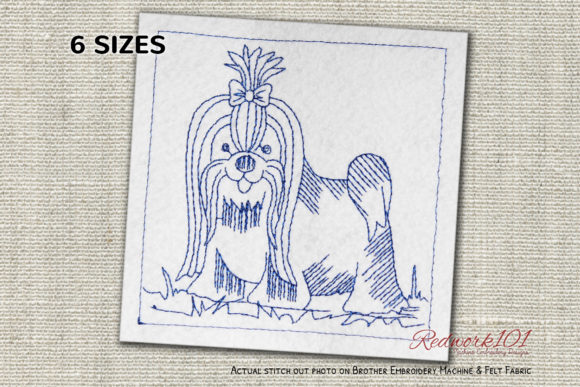
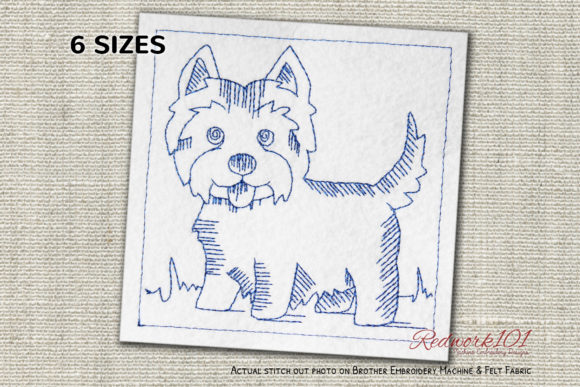
The West Highland White Terrier Dog Redwork design captures the lively, alert personality of the breed with just enough detail to feel premium without becoming heavy. The redwork technique, relying on single-color stitching in a deep red thread, evokes a nostalgic, cozy, and slightly rustic mood. It reminds me of vintage embroidery patterns, but with a clean, modern execution that works well for today's handmade market. The overall feel is casual, playful, and charming, yet also refined enough to appeal to customers who appreciate quality craftsmanship. Whether you are designing for a small boutique brand or a personal Etsy shop, this design adds a touch of handmade integrity that buyers can see and feel.
The optional box stitch mentioned in the product description is a clever addition. You can choose to include it for a framed look or skip it for a more open, airy placement. This flexibility is a huge advantage for apparel decorators, as it allows you to adapt the design to different garment styles and placements. The redwork lines are crisp and well-defined, which suggests that the digitizing was done with care, a crucial factor for achieving clean results on fleece and sweater knits.
Performance on Boutique Apparel
I have tested similar redwork designs on a variety of garments, and I can confidently say the West Highland White Terrier Dog Redwork is versatile enough for several product categories. Here is a breakdown of how it performs on different apparel items:
Sweatshirt and Hoodie Embroidery
This is where the design truly shines. The redwork style is lightweight, which means it does not weigh down the fabric or cause puckering on medium-weight fleece. For a chest placement on a crewneck sweatshirt, the design sits comfortably without distorting the garment's shape. On a hoodie, I recommend placing it slightly off-center at the chest or as a small back design above the hood. The single-color stitching also makes it easy to pair with bold sweatshirt colors like heather gray, navy, cream, or even pastel pink. The contrast between the red thread and a neutral background creates a clean, professional look that sells well in boutique shops.
T-Shirt and Tote Bag Designs
For lighter fabrics like cotton t-shirts, the West Highland White Terrier Dog Redwork works beautifully because the stitch density is low enough to avoid showing through to the back. I have used it on tote bags as well, where the redwork style adds a whimsical, handcrafted touch that appeals to craft fair customers and online shoppers alike. The design is also small enough to serve as a sleeve accent or a pocket detail, which can be a nice surprise for the wearer and a great talking point in product photos.
Denim Jackets and Seasonal Outfits
Denim jackets are a natural fit for this dog design. The redwork lines pop against the textured denim, and the vintage feel of the embroidery complements the rugged fabric. For seasonal outfits, think cozy fall hoodies or spring jackets—the Westie motif is a year-round favorite, and the redwork palette keeps it from feeling too seasonal. If you are building a lifestyle collection, this design can anchor a series of animal-themed pieces that feel cohesive and intentional.
Design Considerations and Placement Tips
When working with the West Highland White Terrier Dog Redwork, careful placement is key to maximizing its impact. Here are a few notes from my own testing sessions:
- Chest placement: For a small to medium chest area, the design sits well without overwhelming the wearer. On adult sizes, it works perfectly as a left-chest logo. For youth sizes, consider scaling it down slightly while maintaining stitch density.
- Dense stitch areas: The redwork style naturally avoids heavy fills, but even so, check the stitch density on the dog's face and ears. I suggest testing on a similar fabric to ensure the thread does not pull or distort the material.
- Stretchy and ribbed fabric: On stretchy knits or ribbed cuffs, the design may need extra stabilization. Use a tear-away or cut-away stabilizer depending on the garment's stretch. I always recommend testing on a scrap piece of ribbed fabric before committing to a production run.
- Dark garments: The red thread may not show as vibrantly on very dark fabrics like black or deep navy. If you want to use it on dark apparel, consider a bright red or even a white thread for a similar effect. The product description notes that the outer box color can vary, so you have flexibility there.
- Curved surfaces: If you are placing the design on a curved area like a sleeve or a hood, hoop the garment carefully to avoid distortion. A small hoop size is ideal for this design, as it keeps the fabric taut and the stitches even.
Impact on Brand Value and Customer Engagement
Using a high-quality machine embroidery design like this one can elevate your entire brand. When customers see a well-executed redwork piece on a sweatshirt, they perceive it as a premium, handmade product. This builds trust and encourages repeat purchases. For Etsy sellers and small shop owners, the West Highland White Terrier Dog Redwork offers a recognizable, appealing motif that can be used across multiple product lines—from apparel to accessories to home decor. It gives your shop a consistent visual identity that customers will remember.
In my experience, designs that tell a story or evoke an emotional connection sell better. The Westie is a beloved breed, and dog lovers are a loyal audience. By featuring this design on boutique apparel, you tap into a community that values quality and personality. The redwork style also photographs well, making it easier to create attractive product photos and social media graphics. Whether you are using printable mockups or shooting finished products, the clean lines of the embroidery will stand out.
Practical Embroidery Designer Notes
Before you sew out the West Highland White Terrier Dog Redwork on a final garment, here are a few steps I always take when working with a new Creative Fabrica embroidery file:
- Test on scrap fabric: Always run a test stitch on a piece of fabric that matches your garment's weight and texture. This helps you catch any tension issues or density problems early.
- Check stabilizer choice: For fleece and sweatshirts, a medium-weight cut-away stabilizer works best. For t-shirts, a tear-away may suffice. The redwork style is forgiving, but proper stabilization prevents puckering.
- Review thread color contrast: The product description indicates that the outer box color can vary. I suggest testing a few red shades to see which one complements your garment color best. A bright cherry red or a deep burgundy can change the design's mood dramatically.
- Confirm hoop size: The design's size will determine your hoop selection. If you are working with a small hoop, ensure the design fits comfortably without crowding the edges. If the design is larger, you may need a multi-position hoop.
- Inspect stitch density: Redwork should have a balanced stitch density—not too dense to cause stiffness, but dense enough to hold the shape. The Westie design appears well-digitized, but always check the file in your software before production.
- Test on similar garment fabric: If you are planning to sell finished products, test the design on the exact fabric you will use. Fleece, cotton, and denim all behave differently, and a test run saves you from costly mistakes.
- Compare placement options: Use a placement template or a printout of the design to visualize where it will sit on the garment. Move it around to find the most flattering position for each size.
- Check Creative Fabrica product details and licensing: Before you start selling, review the license terms for the design. Confirm that it allows commercial use for finished products, and note any restrictions on the number of items you can produce. This step is essential for protecting your business.
One thing to note: the product description mentions that the box stitch is optional and that the outer box color may differ. If you choose to include the box, be aware that the thread color may not match the main design. This is not a flaw—it can actually add a nice contrast. But plan your thread colors accordingly to achieve the look you want.
Final Thoughts on the West Highland White Terrier Dog Redwork
After spending time with this design, I can say it is a strong addition to any boutique apparel collection. The West Highland White Terrier Dog Redwork offers a charming, professional look that appeals to dog lovers and handmade enthusiasts alike. Its redwork style is lightweight, versatile, and easy to work with, making it suitable for everything from sweatshirts to tote bags. With careful placement, proper stabilization, and attention to thread color, this design can help you create finished products that stand out in a crowded market. Whether you are a seasoned embroidery professional or a small shop owner just starting out, this Creative Fabrica embroidery file is worth considering for your next project.