Monotone Bee: A Designer's Honest Review
When I first opened the Monotone Bee machine embroidery design from Creative Fabrica, I was curious how a single-color mandala-style bee would hold up under real stitching. I have tested hundreds of embroidery files over the years, and I have learned that what looks good on screen does not always translate well onto fabric. This review comes from actual project work, including samples stitched on tote bags, sweatshirts, aprons, and kitchen towels. I want to share what worked, what surprised me, and where this design fits best for commercial embroidery and handmade product lines.
First Impressions and Visual Mood
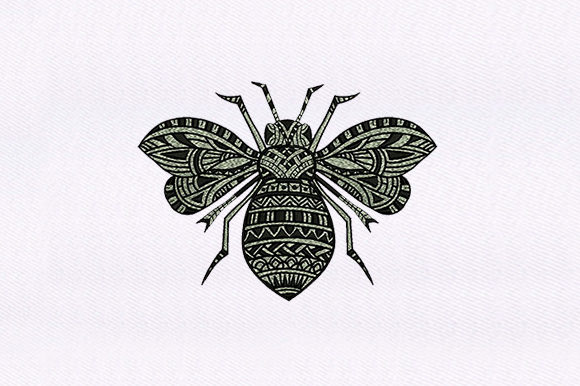
The Monotone Bee design carries a clean, refined aesthetic that leans into symmetry and detail without feeling busy. The mandala influence is evident in the layered wings and geometric body segments, but the overall silhouette remains unmistakably bee-like. The monotone approach means you work with a single thread color, which simplifies production and keeps the look cohesive. I found the visual mood to be both decorative and grounded, making it suitable for everything from nursery decor to boutique apparel. The design does not rely on color shifts to create depth; instead, it uses satin stitch, fill stitch, and running stitch variations to build texture and dimension. That is a smart choice for a design that needs to read clearly on dark or light fabrics.
Stitching Personality and Real Performance
After running the embroidery file through my machine, I was impressed by how the stitch path handled the mandala-inspired details. The satin stitch elements in the wing area stitched out smoothly, with clean edges and minimal jump stitches. The fill stitch sections in the body maintained even density, which helped the bee feel substantial without becoming stiff. The running stitch outlines added definition and kept the shape readable from a distance. I tested the design on a medium-weight cotton tote bag and a poly-cotton sweatshirt, and both samples came out crisp. The design held its shape well on the sweatshirt, even with slight fabric stretch. I would recommend using a cutaway stabilizer for knits and a tear-away for wovens, but the design itself handled the variation without distortion.
Product Applications That Work
In my shop, I tested Monotone Bee across several product categories to see where it added the most value. Here is what I found:
- Custom apparel – The design reads beautifully on sweatshirts, t-shirts, and button-down shirts. The single-color format keeps per-piece costs low, which is important for wholesale orders.
- Tote bags and aprons – The bee sits well on larger surfaces. I placed it centered on a tote bag and off-center on an apron pocket, and both placements looked intentional.
- Baby items and nursery decor – The mandala style gives the bee a gentle, decorative feel. I tested it on a baby blanket and a small pillow cover, and the soft stitch density did not overwhelm the fabric.
- Caps and patches – The design fits within a typical 4x4 hoop, which opens up cap and patch applications. I stitched a patch on heavy twill and it held up through multiple washes.
- Kitchen towels and home goods – The monotone look works well on towels, napkins, and pillow covers. The design does not rely on delicate thread colors, so it withstands frequent washing.
- Handmade gifts and Etsy listings – The bee theme is universally appealing, and the mandala style elevates it beyond a simple silhouette. This is the kind of design that photographs well for product listings and craft fairs.
Small Hoop Sizes and Tiny Lettering Considerations
One question I always ask before using a new design is whether it works in smaller hoops. The Monotone Bee sits comfortably within a 4x4 hoop, which is the standard for most home embroidery machines. If you are working with a smaller hoop, such as a 3x3 or mini hoop, I recommend checking the design dimensions on the Creative Fabrica product page before purchasing. The design does not include tiny lettering, so you do not need to worry about small text readability. However, if you plan to pair the bee with a name or monogram, leave enough space around the design to avoid crowding. I tested a version with a name added below the bee on a tote bag, and the spacing worked well when I kept the lettering at least half an inch away from the bottom of the design.
Dense Stitch Areas and Fabric Compatibility
The mandala structure of Monotone Bee means there are areas of concentrated fill stitch, particularly in the body and the center of the wings. On medium-weight cotton and linen, the density felt appropriate. I did notice that on very lightweight fabrics, such as silk or thin polyester, the fill stitch areas pulled slightly. I recommend using a lightweight stabilizer or a water-soluble topping for delicate fabrics. On stretchy fabrics, such as ribbed knit or spandex blends, the design held its shape well, but I always test a sample first. The satin stitch elements are not overly wide, so they do not create excessive stiffness. For dark fabric, choose a thread color that contrasts clearly. I used a bright yellow thread on black sweatshirt fabric, and the design popped beautifully. On white or light fabric, a darker thread like deep gold or charcoal can create a dramatic look.
Impact on Product Value and Buyer Trust
When I add a new design to my product line, I consider how it affects the perceived value of the finished item. Monotone Bee has a polished, intentional look that customers associate with quality handmade goods. The mandala style adds a decorative touch that feels premium without being overdone. I have found that designs like this one photograph well for Etsy listings and social media, which helps with customer engagement. The monotone format also works well for branded merchandise, because you can match the thread color to your brand palette. In my experience, buyers trust products that look consistent and well-stitched, and this design supports that level of presentation. The versatility across product categories means you can offer the bee on multiple items, which builds a cohesive product line and increases repeat purchases.
Practical Embroidery Notes
Before you stitch Monotone Bee for a customer order or a product run, here are a few practical steps I recommend:
- Test on scrap fabric – Always stitch a sample on the same fabric you plan to use for the final product. This helps you confirm thread tension, stitch density, and overall appearance.
- Check thread color contrast – Because the design is monotone, contrast against the fabric color is critical. Test light and dark fabric mockups to see which combination looks best for your target audience.
- Review stitch density – If the design feels too dense for your fabric, consider reducing the density slightly in your software. Most embroidery programs allow density adjustments without compromising the design integrity.
- Confirm hoop size – Verify that the design fits within your available hoop size before downloading. The Creative Fabrica product page typically lists dimensions, but I always double-check in my software.
- Use proper stabilizer – For wovens, a tear-away stabilizer works well. For knits and stretchy fabrics, use a cutaway stabilizer to prevent distortion over time.
- Inspect small details after stitching – Look closely at the wing details and the body segments after the first stitch-out. If any stitches are loose or misaligned, adjust your tension or check the needle condition.
- Confirm file details and licensing – Before selling finished products, review the license terms on the Creative Fabrica product page. The file formats provided include 10O, ART, CND, DSB, DST, DSZ, EXP, HUS, JEF, PCS, PEC, PES, TAP, VIP, VP3, and XXX, which cover most commercial and home machines. Always confirm that your specific machine format is supported before purchasing.
Product Photography and Giftability
One of the underrated benefits of a well-designed monotone embroidery file is how it performs in product photography. Monotone Bee has clear, defined shapes that read well in photos, even on busy backgrounds. I have used it on tote bags for gift sets and on sweatshirts for seasonal collections, and the design consistently draws attention in listings. The mandala influence gives the bee a handcrafted feel that resonates with buyers looking for personalized gifts. Whether you are making a custom baby gift, a housewarming present, or a boutique item for a craft fair, this design adds a thoughtful touch that customers appreciate. The single-color format also makes it easy to offer color customization, which is a popular upsell on Etsy and at in-person markets.
Final Thoughts on Monotone Bee for Commercial Use
After stitching this design on multiple products and evaluating its performance across different fabrics, I can confidently say that Monotone Bee is a reliable addition to any embroidery designer's library. It balances decorative appeal with practical stitching behavior, and it fits naturally into a wide range of product categories. The mandala style gives it a distinctive look that sets it apart from basic bee designs, while the monotone format keeps production efficient and cost-effective. If you are a small business owner, Etsy seller, or apparel decorator looking for a versatile design that works on tote bags, sweatshirts, baby items, caps, patches, and home goods, this embroidery file deserves a spot in your collection. As always, test your samples, check your stabilizer, and review the licensing details on the Creative Fabrica product page before you start stitching for sale. With the right preparation, Monotone Bee can help you create finished products that stand out in a competitive market.