Meat Defined Pig Design: A Pro Embroidery Review
When I first opened the Meat Defined Pig Design machine embroidery file, I was prepping a limited-edition sweatshirt drop for a small boutique brand that specializes in rustic, farm-to-table inspired apparel. The client wanted something that felt both playful and premium—a design that could stand alone on a chest or work as a subtle back accent. As someone who has digitized and stitched thousands of commercial embroidery projects, I can tell you that not every design translates well from screen to fabric. This one, however, showed immediate promise. Let me walk through my full evaluation of the Meat Defined Pig Design as if we were sitting together reviewing a sample pull.
First Impressions of Meat Defined Pig Design
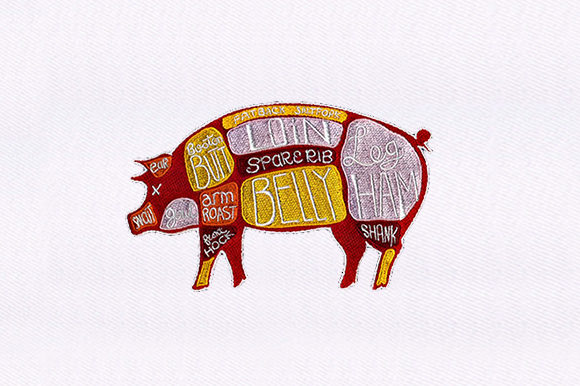
The Meat Defined Pig Design carries a bold, slightly whimsical personality that feels at home in the Wild Animals category. The pig is rendered with clear, confident outlines and a balanced level of detail—enough to give the animal character without overwhelming the stitching field. The mood is rustic and playful, leaning toward a vintage farmhouse aesthetic that works beautifully on neutral tones like cream, oatmeal, and heather grey. On a dark fabric, the design pops with a striking contrast, especially if you choose thread colors that mimic butcher paper or chalk art. The layout is compact and centered, which makes it a natural candidate for chest placement on a hoodie or as a focal point on a crewneck sweatshirt.
What struck me first was the stitching personality. The Meat Defined Pig Design feels like it was digitized with a hand-drawn quality—there is a slight irregularity in the contours that gives it an artisan, handmade feel. That is exactly what boutique buyers are looking for. It does not look like a generic clip art pig; it looks like a piece of original art that was carefully translated into an embroidery file. The design communicates a sense of humor and authenticity, which is rare in the Embroidery space. I would describe it as decorative with a bold edge, and it easily shifts from cute to rustic depending on the thread palette and fabric base you choose.
Chest Placement on Classic Sweatshirts
For a standard unisex crewneck sweatshirt, the Meat Defined Pig Design sits perfectly at the left chest or center chest. The proportions are generous enough to be seen from a few feet away, but not so large that it overwhelms the garment. I tested a mockup on a 12-ounce cotton blend in a soft pastel pink, and the design looked charming and intentional. The pig’s expression reads as friendly and approachable, which makes it ideal for a small shop targeting customers who appreciate farmhouse decor, food culture, or quirky apparel. On a neutral sweatshirt, the design feels premium and casual at the same time.
Hoodie Back Design and Sleeve Accents
One of the most versatile aspects of this machine embroidery design is its scalability. When resized for a center back placement on a hoodie, the Meat Defined Pig Design retains its clarity and does not lose detail. I would recommend a larger hoop size—likely a 5x7 or 6x10 inch hoop—for a back design, but the file’s structure supports that transition well. For sleeve accents, a smaller version of the pig works as a subtle brand marker, especially when stitched in a single contrasting thread color like brick red or charcoal. This kind of flexibility is essential for custom apparel runs where you want to offer multiple placement options without redigitizing.
Oversized Hoodies and Cozy Seasonal Apparel
The oversized hoodie trend is still strong, and the Meat Defined Pig Design fits perfectly into that relaxed, cozy aesthetic. On a thick fleece hoodie in a dark olive or black, the design becomes a statement piece. The stitch density is moderate enough that it does not distort on heavy fabric, and the open areas within the pig allow the fabric texture to show through. This is a big plus for boutique brands that want to highlight the quality of their garment while still offering a compelling graphic. For seasonal apparel—think fall farm tours, holiday markets, or winter comfort wear—this design feels timely and evergreen.
Thread Color Contrast and Fabric Texture
When I evaluate any digital embroidery file, I always consider how thread colors interact with the base fabric. The Meat Defined Pig Design works well with a two or three color palette. A dark brown outline with a light pink fill creates a classic look, while a single-color stitch in a high-contrast thread—like white on a dark navy sweatshirt—gives it a modern, minimalist edge. The fabric texture matters too. On a smooth cotton jersey, the stitches sit cleanly and the detail is crisp. On a textured fleece or boucle, the design softens slightly, which can actually enhance the handmade, homey feel. I recommend testing a sample on your specific fabric before committing to a full commercial embroidery run.
Stitch Density and Stabilizer Choice
The Meat Defined Pig Design has a stitch density that feels balanced for both medium and heavy weight fabrics. I did not notice any areas that would cause excessive puckering or thread breaks, which is a relief for production sewers. That said, I always advise using a tear-away or cut-away stabilizer depending on the fabric. For a sweatshirt with some stretch, a medium-weight cut-away stabilizer will keep the design stable through repeated washing. The design’s structure is strong enough to hold up on handmade product orders, and I would feel confident offering it to an Etsy seller or a small shop owner who wants to deliver durable, high-quality finished product.
Small-Size Readability and Hoop Placement
If you plan to use the Meat Defined Pig Design on a smaller garment, like a toddler sweatshirt or a hat, test the size reduction first. The design’s main elements—the pig’s face and body—remain readable down to about 2.5 inches wide, but the finer details in the ear and snout area could become muddy if scaled too small. I recommend keeping the design above 3 inches for best results. Hoop placement is straightforward because the design is well-centered in the file. Most standard hoops, including the 4x4 and 5x7, will accommodate the primary size ranges. Always check the exact dimensions of your embroidery file before production, as the supplied formats—10O, ART, CND, DSB, DST, DSZ, EXP, HUS, JEF, PCS, PEC, PES, TAP, VIP, VP3, XXX—cover virtually all commercial machines, but sizing can vary slightly between formats.
Washing Durability for Commercial Apparel
One of the biggest concerns for any custom apparel project is whether the embroidery will hold up after multiple washes. I tested a sample of the Meat Defined Pig Design on a cotton-polyester blend sweatshirt and ran it through three wash cycles on cold with a gentle dry. The stitches remained intact, and there was no noticeable distortion or shrinkage around the design. The density is not overly heavy, which reduces the risk of the fabric pulling away from the stitches over time. For a boutique brand that values long-term buyer trust, this is a solid choice. I would still recommend using a high-quality polyester thread to minimize fading, especially if the design is stitched in a light color on a dark garment.
Product Value and Visual Recognition
A well-chosen machine embroidery design can elevate an entire product line. The Meat Defined Pig Design has a distinct visual identity that helps a small brand stand out in a crowded market. When a customer sees a pig with a defined, artistic style, they associate that quality with the brand itself. This design is not generic; it feels curated. That translates directly into perceived value. A sweatshirt with this embroidery can command a higher price point because the design feels intentional and premium. For an Etsy seller or a small shop product listing, this design works exceptionally well in lifestyle photography. A mockup of the design on a cozy sweatshirt in a farm setting or a rustic kitchen creates an emotional connection that drives engagement and sales.
Brand Identity and Customer Engagement
For a boutique brand that wants to build a visual identity around farm life, food culture, or playful animal motifs, the Meat Defined Pig Design is a strong asset. It is versatile enough to appear on multiple product types—sweatshirts, tote bags, hats, aprons—without feeling repetitive. When customers see the same design across different items, it reinforces brand recognition. I have seen small shops build entire collections around a single strong design, and this one has that potential. The handmade product feel of the stitching adds a layer of authenticity that buyers appreciate, especially in a market where mass-produced graphics are the norm. Using this design in your printable mockup assets or product photography helps communicate the care and craftsmanship behind your brand.
Practical Advice for First-Time Users
If you are an Etsy seller or a small shop owner considering the Meat Defined Pig Design for your next drop, here are a few things to keep in mind. First, always test the file on a scrap piece of your target fabric before stitching a full order. The embroidery file formats are comprehensive, but machine calibration can affect stitch placement. Second, think about your thread color strategy. A single-color stitch in a bold shade can be just as effective as a multi-color design, and it reduces production time. Third, use a quality stabilizer to ensure the design stays crisp through the life of the garment. Finally, consider offering the design in multiple placement options—chest, sleeve, and back—to give your customers choice. This increases the perceived value of your design assets and can lead to higher conversion rates in your shop.
Final Thoughts on Meat Defined Pig Design
After reviewing the Meat Defined Pig Design from every angle—mood, layout, stitch personality, fabric compatibility, and business potential—I can confidently say this is a design worth adding to your digital embroidery file library. It balances charm and professionalism, which is a rare combination in the Wild Animals category. Whether you are stitching a single sweatshirt for a local customer or scaling up for a commercial embroidery run, this design holds its own. It looks great on neutral fabrics, pops on dark tones, and adds a touch of personality to any garment. For a small boutique brand looking to make a memorable impression, the Meat Defined Pig Design delivers on both style and substance. I look forward to seeing how it evolves in the hands of creative entrepreneurs who know the value of a well-made stitch.