Crafted Yellow Bird Design: Hands-On Review
I’ve been working with machine embroidery designs for over a decade, and I’ve learned that a good design file is only half the battle. The real test comes when you hoop the fabric, thread the needle, and watch the stitches land. The Crafted Yellow Bird Design recently crossed my desk, and I wanted to put it through a practical evaluation before using it in client work or adding it to my own shop’s product line. This isn’t a marketing pitch—it’s a real designer’s perspective on how this machine embroidery design performs in the wild, what it feels like to stitch, and where it truly earns its place in a project.
First Impressions and Visual Personality
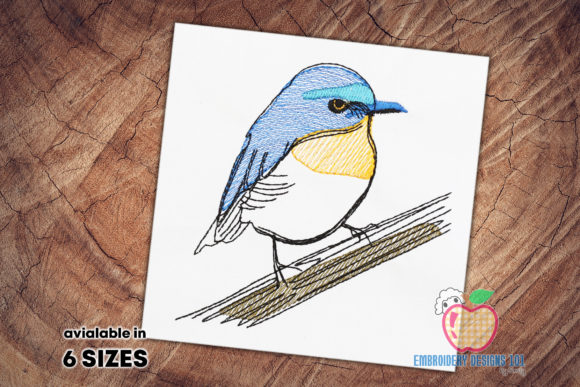
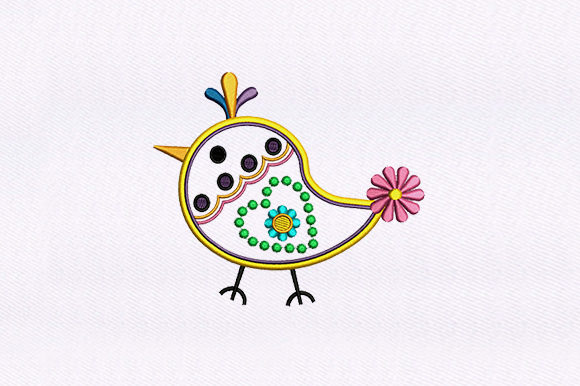
When I first opened the embroidery file, I was struck by the design’s clean, cheerful silhouette. The bird is rendered with a soft, rounded shape that suggests a finch or canary, but it doesn’t lock into hyperrealism. Instead, it leans into a crafted, slightly stylized look that feels both friendly and refined. The yellow thread choice is obvious, but the design also uses subtle accent stitches—likely a dark eye, a hint of wing detail—that keep it from feeling flat. This is the kind of embroidery that could work on a whimsical baby onesie, a rustic kitchen towel, or an elegant tote bag for a boutique. The mood is warm, approachable, and quietly professional. It doesn’t scream for attention, but it holds its own on a garment or home textile.
Real-World Use Case: Custom Tote Bag Project
I decided to test the Crafted Yellow Bird Design on a medium-weight cotton tote bag for a client who wanted a small run of “nature-inspired” gifts. The bag was a natural off-white, so the yellow thread would pop nicely. I hooped the fabric with a cutaway stabilizer (medium weight) and used a 5x7 hoop—the design seemed to fit comfortably within that size. The stitch-out was smooth. The satin stitch around the bird’s outline created a clean edge, and the fill stitch inside the body spread evenly without any puckering on the cotton. The eye and beak details were small but legible, and the running stitch accents added a hand-drawn quality. I was pleased with how the thread colors (a bright yellow, a dark brown for the eye, and a warm orange for the beak) worked together. The design felt substantial but not overly dense—an important balance for a tote bag design that will see daily use.
After washing the tote (gentle cycle, cold water, air-dried), the stitches held up well. No pull, no distortion. The stabilizer did its job. This design is clearly engineered for real use, not just for digital mockups.
Where This Design Shines
Based on my test, I see the Crafted Yellow Bird Design excelling in several product categories. Here are the applications where it feels most natural:
- Custom apparel: Sweatshirts, t-shirts, and casual jackets benefit from the bird’s moderate size and friendly shape. It works as a chest or sleeve accent without overwhelming the garment.
- Baby embroidery: The bird’s soft lines and bright color make it ideal for baby onesies, bibs, or receiving blankets. It’s not too detailed for tiny sizes.
- Home decor: Pillow covers, kitchen towels, and nursery decor pieces look touched by hand. The design has a contemporary folksy feel that complements modern farmhouse or Scandinavian interiors.
- Personalized gifts: Add a name or initial nearby (using a separate embroidery file for text) and you have a custom baby shower or housewarming gift.
- Small shop merchandise: Etsy sellers and craft fair vendors can stitch this onto tote bags, aprons, and patches. The design’s broad appeal means it will sell across age groups.
- Commercial embroidery: For businesses that produce applique design or embroidered patches, this bird works as a standalone piece or as part of a larger composition. The clean edges make it suitable for patches that will be trimmed and sewn onto bags or hats.
The design also translates well into printable mockups for digital product listings. The simple shape and bright yellow read clearly on screen, helping customers imagine the finished product.
Where to Use With Caution
No design is perfect for every surface, and the Crafted Yellow Bird Design has a few limitations worth noting. First, I’d recommend caution with small hoop sizes. If you’re working in a 4x4 hoop, the bird may be scaled down too much, causing the detail (especially the eye and beak) to become muddled. Always test the scaled version before committing to a production run.
- Stretchy fabrics: On a stretchy knit, like a ribbed T-shirt or a spandex blend, the density of the fill stitch can cause flagging or distortion. Use a tear-away or cutaway stabilizer with a fusible backing, and consider a hoop that locks the fabric firmly.
- Curved surfaces like caps: The bird’s round shape may not conform well to the curve of a cap front without some distortion. If you need to embroider on a cap, test the design at a smaller size or use a cap frame to reduce shifting.
- Dark fabrics: Yellow thread on dark fabric (navy, black, forest green) can look washed out. Consider using a white or light underlay, or choose a high-contrast thread color. The design itself is simple enough that it still works, but the visual impact will be lower.
- Dense stitch areas: The bird’s body is filled with a medium-density fill stitch, which is generally fine. However, if you’re building a multi-layered design (e.g., adding a background or text close to the bird), the combined density could cause stiffness or poor needle penetration. Leave at least 1/8 inch of space between elements.
Also, if you plan to sell finished products using this design, double-check the embroidery file licensing. The design comes in many formats—10O, ART, CND, DSB, DST, DSZ, EXP, HUS, JEF, PCS, PEC, PES, TAP, VIP, VP3, XXX—which is great for compatibility, but the license terms for commercial use, especially for digital product sellers, may vary. I always advise reading the fine print before listing a personalized gift or handmade product in your shop.
Visual Appeal and Customer Perception
In my experience, customers respond to designs that look intentional. The Crafted Yellow Bird Design has that quality—it doesn’t feel like a generic clip-art trace. The stitch direction inside the bird’s body gives it a subtle texture, and the outline is crisp. When I showed the finished tote bag to a few friends (potential buyers), they commented on how “professional” and “cheerful” it looked. That kind of feedback tells me the design will help a craft business build trust. Whether you’re stitching for a small shop product or a holiday embroidery order, the bird’s clear identity makes it giftable and recognizable. It also photographs well for Etsy seller listings, which is a huge plus for anyone selling design assets or finished products online.
Practical Designer Notes
If you’re planning to use the Crafted Yellow Bird Design in your own projects, here are a few tips I picked up during testing:
- Test on scrap fabric first. I always stitch a test on a piece of similar fabric before committing to the final product. This lets me check thread color contrast, stitch density, and hoop size compatibility.
- Inspect small details. The eye and beak are tiny. If your machine has a tendency to skip stitches on small elements, consider using a fine needle (size 75/11) and a slower speed.
- Check the design in black and white mockups. I often convert a digital preview to grayscale to see how the design reads without color. The Crafted Yellow Bird Design holds up well because the outline and fill shapes are distinct.
- Compare light and dark fabric backgrounds. On white or cream, the yellow pops. On a darker base, you may want to change the thread color to a brighter yellow or add a white underlay.
- Use proper stabilizer. For medium-weight cotton, a cutaway stabilizer worked well. For heavier fabrics like denim, a medium-weight tear-away might suffice. Always match the stabilizer to the fabric and stitch density.
- Confirm hoop size. The design fits comfortably in a 5x7 hoop, but I don’t have exact dimensions from the supplier. Before you start, open the file in your software and check the bounding box. If you’re working with a smaller hoop, test a scaled version.
- Verify licensing for commercial use. The design comes in many file formats, but the license terms for selling finished products or digital embroidery files may be separate. Always read the license before using the design in a craft business or offering it as a commercial embroidery service.
Final Verdict for Creators and Sellers
The Crafted Yellow Bird Design is a solid, versatile machine embroidery design that works well for a wide range of projects. It’s not overly complicated, which is actually a strength—it allows the maker to focus on fabric choice, color, and placement without wrestling with a chaotic stitch pattern. For Etsy sellers, small business owners, and apparel decorators, this design offers a reliable, customer-pleasing option that can be adapted for personalized gifts, handmade products, and custom apparel. I’ve already added it to my own rotation for spring-themed orders and baby gift sets. Just keep the practical notes in mind, test before you commit, and it will serve you well.