Blushed out Boy: A Design Review for Small Business Merch
As an embroidery designer who has spent years digitizing, stitching, and troubleshooting machine embroidery designs for small businesses, I have learned to look beyond the preview thumbnail. A design might look charming on screen, but the real test comes when it is digitized, stitched onto fabric, and worn or carried by real customers. Today, I am reviewing Blushed out Boy, a machine embroidery design from the Boys category, and evaluating it specifically for commercial embroidery, branded merchandise, and small business merch production.
This article is written for embroidery shop owners, apparel decorators, handmade brands, Etsy sellers, and product designers who need to know whether this digital embroidery file will deliver a professional, durable, and brand-worthy finished product. Let us walk through the first impression, real business applications, potential pitfalls, and practical embroidery designer notes that will help you decide if Blushed out Boy belongs in your design assets library.
First Impression: Friendly, Playful, and Slightly Handmade
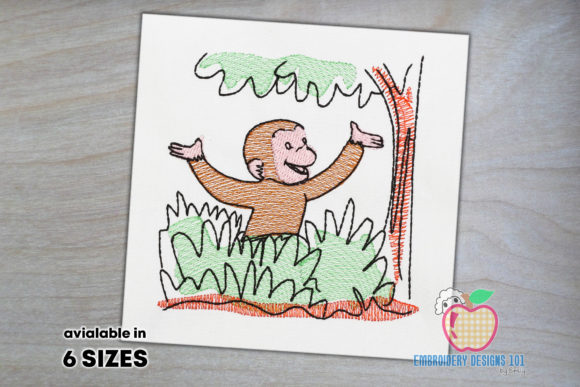
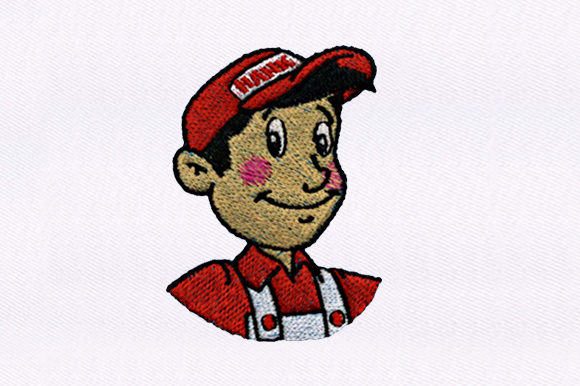
Based on the title and the product category, Blushed out Boy gives me the immediate impression of a design that leans toward a friendly, approachable, and slightly handmade aesthetic. The word "blushed" suggests soft color tones, perhaps pinks, peaches, or muted pastels, combined with a boyish, playful character. This is not a corporate or minimalist logo. It feels like the kind of design a small café, a boutique bakery, a handmade toy shop, or a local florist might use to create a warm, inviting brand identity.
From a professional embroidery standpoint, the first thing I notice is that the design is categorized under Boys and Embroidery, which tells me the original intended use leans toward children's apparel or accessories. However, as someone who regularly helps small businesses repurpose designs, I see immediate potential for broader applications. The key is to assess whether the stitch density, thread colors, and overall complexity will translate well onto different fabrics and product types.
Real Business Use: Where Blushed out Boy Shines
Let us imagine a small business scenario. A local café called "Blushed Bean" wants embroidered merchandise: staff aprons, tote bags, and caps. The owner wants a design that feels warm, personal, and memorable. Blushed out Boy could serve as a chest logo accent on a work shirt, a small patch on a cap front, or a centerpiece on a tote bag design. Because the design likely features soft curves and a friendly character, it would complement a handmade product or a creative studio's visual identity.
Here are the specific business use cases where I believe Blushed out Boy could perform well:
- Staff uniforms: Embroidered on aprons, work shirts, or caps for cafés, bakeries, florists, and boutique shops. The playful tone helps staff appear approachable.
- Branded patches: As an embroidered patch, this design could be sewn onto jackets, backpacks, or even product packaging. Patches are popular for limited-edition merch and event giveaways.
- Customer gifts: Small tote bags or pouches with the design make excellent customer appreciation items. The handmade feel aligns with small business values.
- Etsy branding: Handmade sellers can use the design on product labels, fabric tags, or packaging inserts to reinforce their brand identity.
- Kids' product lines: Since the design is from the Boys category, it is naturally suited for children's clothing, bibs, or accessories sold by small brands.
The embroidery file formats available include 10O, ART, CND, DSB, DST, DSZ, EXP, HUS, JEF, PCS, PEC, PES, TAP, VIP, VP3, and XXX. This broad compatibility means you can load it into most commercial embroidery machines without conversion issues. That is a strong plus for small business owners who work with contract embroiderers or run their own multi-format machines.
Where to Use Blushed out Boy with Caution
Not every product is the right canvas for a design. As an experienced embroidery designer, I have seen beautiful designs fail because they were placed on the wrong surface or stitched at the wrong size. Here are the areas where Blushed out Boy requires careful consideration:
Small Patch Sizes and Cap Fronts
If you plan to use this design as a small embroidered patch or on a cap front, you must test it at reduced size first. Many designs from the Boys category include details like eyes, hair, or small text that can turn into a solid blob when scaled down. I recommend creating a printable mockup at the target size and checking whether facial features, outlines, and any lettering remain legible. If the design has fine lines, they may need to be thickened or removed for small-scale applications.
Curved Surfaces and High Stitch Density
Cap fronts, curved tote bag handles, and small cylindrical items like pencil cases or pouches present challenges. A design with high stitch density can cause puckering on curves, especially if the fabric is lightweight. Blushed out Boy may have areas of dense stitching, particularly in the character's face or hair. I suggest reviewing the stitch density in your embroidery software before production. If it exceeds 12,000 to 15,000 stitches per square inch, consider reducing density or using a heavier stabilizer.
Tiny Lettering and Detailed Outlines
If the design includes text or intricate outlines, those elements will be the first to break down at small sizes. For branded merchandise where the design appears on a work shirt pocket or a small cap logo, ensure that any lettering is at least 0.2 inches tall. Otherwise, the letters will fill in and become unreadable. I have lost count of how many times I have had to redesign a client's logo because the original embroidery file was too detailed for a cap front.
Dark Uniforms and Fabric Texture
Since the design includes "blushed" tones, likely soft pinks or peaches, you must test thread color contrast on dark fabrics. A light pastel on a navy or black uniform may not stand out enough. You may need to use a white or light underlay, or adjust the thread colors to a brighter shade. Also, textured fabrics like fleece, terry cloth, or heavy canvas can distort the design. A proper stabilizer is essential to maintain the integrity of the stitches.
Frequent Washing
If the finished product will be washed often, such as aprons, staff uniforms, or tote bags, the design must have adequate pull compensation and proper thread tension. Designs with long satin stitches or dense fills can shrink or pucker after repeated washing. I recommend always testing a stitched sample and washing it at least three times before approving the design for commercial use.
How Blushed out Boy Affects Brand Identity and Customer Trust
Every design you stitch onto a product becomes a reflection of your brand. Blushed out Boy communicates a specific personality: friendly, approachable, slightly playful, and handmade. If your small business is a modern, minimalist brand, this design may feel out of place. However, for businesses that want to project warmth, creativity, and a personal touch, this design can strengthen customer trust and recognition.
Consistency is key. If you use this design on aprons, caps, tote bags, and product labels, customers will begin to associate that visual identity with your business. That is the power of branded merchandise. A well-executed embroidered patch or a cap design can turn a one-time buyer into a loyal repeat customer. The design does not need to be complex. In fact, simpler designs often stitch better and last longer, which is why I always recommend testing Blushed out Boy in black and white first to see if the silhouette and spacing hold up.
From a professional standpoint, the quality of the embroidery directly affects how customers perceive your product. A clean, well-stitched design with balanced thread colors and proper density says "we care about details." A puckered, misaligned, or thread-broken design says the opposite. That is why I advise every small business owner to invest in a proper test run before committing to a bulk order.
Practical Embroidery Designer Notes for Production
Before you upload the Blushed out Boy embroidery file to your machine, here are the steps I always take when reviewing a new design for commercial embroidery projects:
- Test it in black and white first. Open the design in your embroidery software and convert it to a single color. This helps you see the stitch density, underlay, and any awkward pull points without the distraction of color.
- Check if it works at small patch size. Scale the design to the target size for your intended product, such as a 2-inch cap logo or a 3-inch patch. Zoom in to inspect the density and detail retention.
- Review thread color contrast. Compare the proposed thread colors against your fabric swatches. Pastel threads on light fabrics may disappear. Dark threads on dark fabrics may blend in. Adjust the palette as needed.
- Inspect spacing and jump stitches. Look for long jump stitches that will need to be trimmed or tucked. Also check for small gaps in satin columns that could cause the thread to break.
- Confirm hoop size. The design must fit within your hoop dimensions. If it is too large, you may need to split it into multiple hoops, which is not ideal for production efficiency.
- Test on real fabric. Stitch a sample on the exact fabric you plan to use for production. Use the appropriate stabilizer, such as tear-away for stable fabrics or cut-away for stretchy knits. Evaluate the stitch quality, tension, and any fabric distortion.
- Create a printable mockup for client approval. Before stitching a full order, I always create a mockup showing the design on the actual product. This helps the client visualize the final look and avoids surprises.
- Compare it beside other design assets. If you have other embroidered logos or patches in your lineup, place the sample next to them. The designs should feel cohesive in terms of style, scale, and visual weight.
- Confirm commercial licensing before business use. This is critical. The design description does not specify license terms, so you must verify that the seller grants commercial rights for merchandise production. Some embroidery files are for personal use only. Do not assume you can sell products with the design without a commercial license.
Final Thoughts on Blushed out Boy for Small Business Merch
Blushed out Boy is a machine embroidery design with strong potential for small business merch, especially for brands that want a friendly, handmade, approachable visual identity. It works well on aprons, tote bags, caps, and embroidered patches, provided you test it at your target size and on your chosen fabric. The wide range of embroidery file formats makes it accessible to most commercial embroidery machines, which is a practical advantage for production workflows.
However, I urge you to approach this design with the same rigor you would apply to any custom apparel project. Test the stitch density, check the thread colors against your fabric, and always create a sample before committing to a bulk run. Pay special attention to small patch sizes, cap fronts, and curved surfaces where details can be lost. And never skip the step of confirming the commercial license, as that protects your business and your clients.
As an embroidery designer, I have seen too many small business owners fall in love with a design on screen, only to be disappointed by the finished product. Blushed out Boy can be a valuable addition to your design assets if you treat it with the care and testing it deserves. A well-stitched embroidered patch or a perfectly placed cap logo will strengthen your brand identity, build customer trust, and elevate your product value. With the right preparation, this design can become a consistent and beloved part of your merchandise lineup.