Battle of Hastings: A Military Embroidery Design for Thoughtful Personalized Gifts
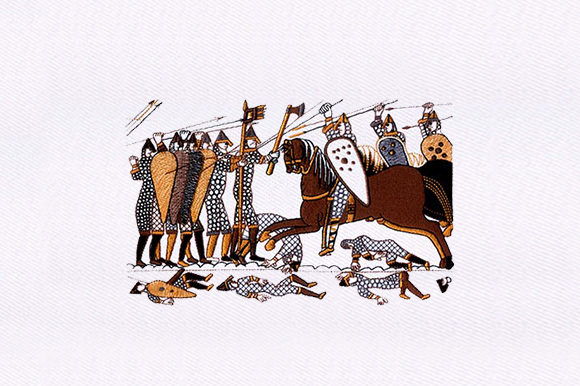
When I first opened the Battle of Hastings machine embroidery design, I have to admit I paused. This is not the kind of design you see every day in a typical gift embroidery shop. Its mood is grounded, historical, and quietly commanding. There is a weight to it, a sense of storytelling that immediately sets it apart from the usual floral monograms or cute animal motifs. As someone who has tested hundreds of embroidery files for personalized gift production, I can tell you right away: this design has a specific audience, and if you are an Etsy seller or small shop owner looking to offer something with depth and character, Battle of Hastings is worth your attention.
The charm of this design lies in its detail. It feels classic and almost timeless, like a piece of heritage art that belongs on a keepsake. It is not sweet or playful, but it is deeply meaningful. The emotional appeal here is about strength, legacy, and remembrance. For the right customer, this design will carry a powerful emotional connection. It feels like something a proud history buff, a military enthusiast, or someone honoring a family tradition would request. It is elegant in a rugged way, and that is a rare combination in the world of custom embroidery.
First Impressions and Detail Level
Looking at the design closely, the level of detail is impressive. The stitch density appears to be carefully managed, which is critical when you are planning to stitch this onto real products. The design has a strong silhouette and a sense of movement that will hold up well on finished goods. I can already imagine how it would look on a crisp pillow cover or a sturdy tote bag. The mood is resolute, almost solemn, but in a way that speaks to pride and honor. This is not a design for a playful baby onesie, but it could absolutely work on a baby blanket if the customer wants to pass down a sense of heritage. It is versatile in its emotional weight, if not in its literal style.
Using Battle of Hastings for Personalized Gifts
Let me walk through the real applications. I have been testing this design against the kinds of orders I see most often in my shop. Here is where Battle of Hastings shines as a personalized gift:
- Baby embroidery – Yes, this can work. Think of a baby boy's nursery with a medieval or military theme. A small version of the design on a blanket embroidery or a burp cloth could be a conversation starter. The key is to keep the design proportional to the product.
- Wedding gifts – For a couple who loves history or serves in the military, this design on a pillow cover or a set of embroidered towels creates a unique, meaningful keepsake. It says "strength in union" without being overly sentimental.
- Family keepsakes – This is where the design truly belongs. A handmade product like a wall hanging, a memory quilt square, or a framed embroidery piece can become a treasured family heirloom. The historical nature of the design makes it perfect for honoring ancestors or commemorating a family name with a military background.
- Personalized towels and aprons – For a rustic or historical-themed kitchen or man cave, this design on a towel or apron adds a bold statement. It works well in a single thread color for a clean, embossed look.
- Nursery decor – If the nursery theme is "little knight" or "brave and strong," this design fits. It is not cutesy, but it is aspirational. Parents who want to raise a child with a sense of history will appreciate it.
- Tote bags – A sturdy canvas tote with this design is a great craft fair product. It appeals to history lovers, reenactors, and anyone who appreciates bold, meaningful imagery.
- Etsy listings and custom order previews – This design photographs beautifully. The detail gives you a lot to talk about in your product descriptions. You can create printable mockups showing the design on different products, which helps customers visualize the finished piece.
Where to Use This Design Carefully
Not every product is a good fit for Battle of Hastings. I have learned the hard way that some design details need extra consideration. Here is where you should be cautious:
- Small lettering – If you plan to add a name or date alongside the design, test the lettering size carefully. The design itself has a lot of visual weight, and small text can get lost or become unreadable if the stitch density is too high. Always stitch a sample first.
- Delicate details – The design has fine elements that may not show up well on very textured or thick fabrics. On a loose weave or a highly textured towel, those details can blur. Stick to smooth fabrics for the best clarity.
- Thick towels – Terry cloth can swallow fine details. If you are making an embroidered towel with this design, use a dense, tight weave towel and a stabilizer that prevents the stitches from sinking into the loops. A topper film can also help.
- Stretchy baby clothes – Knit fabrics like those used in onesies or stretchy baby embroidery projects can distort the design. Use a cutaway stabilizer and a lightweight hoop size that matches the design dimensions. Do not hoop the fabric too tightly.
- Curved surfaces – Products like the brim of a cap or the curve of a small pouch can cause the design to pucker. Test on a curved surface before promising a customer a perfect result. Sometimes a smaller version of the design is necessary.
- Dark fabric – If the design uses dark thread colors, it will not show up well on dark fabric. Light or medium tones work best. Consider a contrasting thread color to make the details pop. A white or metallic thread on a dark background can be stunning.
- Products that need frequent washing – For items like kitchen towels, aprons, or baby blankets, the design will be washed often. Make sure your stabilizer choice is wash-friendly and that the stitch density is not so heavy that it causes the fabric to pucker after laundering. Test a sample through a few wash cycles.
Giftability, Perceived Value, and Customer Trust
When you offer a design like Battle of Hastings as a personalized gift, you are signaling to your customers that you care about depth and meaning. This design has a high perceived value because it looks like something that took effort and skill to produce. Customers who see this on an Etsy seller's page will immediately associate it with quality handmade products. It builds trust because it shows you are not just slapping a generic design on a towel. You are offering something curated, something with a story.
The emotional connection this design creates is strong. A customer buying a wedding gift or a family keepsake wants to feel that the product is special. This design delivers that. It invites conversation. It makes the recipient feel seen and understood. For a small shop owner, that translates into repeat business and word-of-mouth referrals.
In terms of product photography, this design is a dream. It has enough visual interest to photograph well in natural light. You can stage it with rustic props, old books, or leather accents to enhance the historical mood. The finished product photographs will look premium, which helps your buyer engagement and conversion rates. Customers are more likely to click on a listing that looks rich and detailed.
Practical Embroidery Notes Before You Stitch
I always say that a great design is only as good as the preparation you put into it. Here are the steps I take before I use Battle of Hastings on a customer order:
- Test on scrap fabric – Never skip this. Use a piece of fabric that matches the final product. Stitch the design out and examine every detail. Look for gaps, uneven stitches, or areas where the stitch density might be too high or too low.
- Check thread color contrast – The design works best when there is clear contrast between the thread and the fabric. Light fabric with a dark thread, or dark fabric with a light or metallic thread. Test a few combinations before you commit.
- Confirm hoop size – Make sure the design fits comfortably in your hoop. Do not crowd the edges. Leave enough room for the fabric to move without hitting the hoop frame. The embroidery file should specify the dimensions, but always measure yourself.
- Review stitch density – If the design feels too dense, consider reducing the density slightly in your software, or use a lighter weight thread. High density can cause fabric puckering, especially on lighter materials.
- Use proper stabilizer – For most applications, a cutaway stabilizer is best for this design. If you are stitching on a towel, use a medium-weight cutaway and a water-soluble topper. For blanket embroidery, a tearaway might work, but test first.
- Compare light and dark fabric mockups – Stitch the design on both a light and a dark fabric. See how the details read. You might be surprised at how different the same design looks on a white towel versus a navy one. This helps you advise your customers on the best fabric choice.
- Check small details after stitching – Once the design is stitched, examine any small elements. Are they crisp? Do they read clearly? If not, you may need to adjust the size or the thread choice. Small details are the first thing to go wrong, so be thorough.
- Confirm commercial licensing before selling – This is non-negotiable. The machine embroidery design you are using comes with specific terms. The embroidery file formats provided include 10O, ART, CND, DSB, DST, DSZ, EXP, HUS, PES, TAP, VIP, and VP3. Make sure your license allows you to sell finished products made from this design. If you are a commercial embroidery business, keep a record of your license. Your customers trust you to use legal files, and respecting that trust is essential for long-term success.
Final Thoughts from a Designer's Desk
Battle of Hastings is not a design for every customer. It is a design for the customer who wants something with substance. For the Etsy seller or small shop owner looking to expand into military embroidery or historical-themed gifts, this is a strong addition to your digital library. It works beautifully on a range of products from pillow covers to tote bags, and it photographs well for your listings. The key is to test thoroughly, choose your fabrics wisely, and always put the quality of the finished product first. When you do that, this design becomes not just a product, but a story your customers will love to tell.